The Complete Guide to Social Media Background Checks (2026 Edition)

Primary Intent: Research + Vendor comparison
Target Keywords:
- best social media background check
- social media screening companies
- what is a social media background check
- social media background screening
What Is a Social Media Background Check?
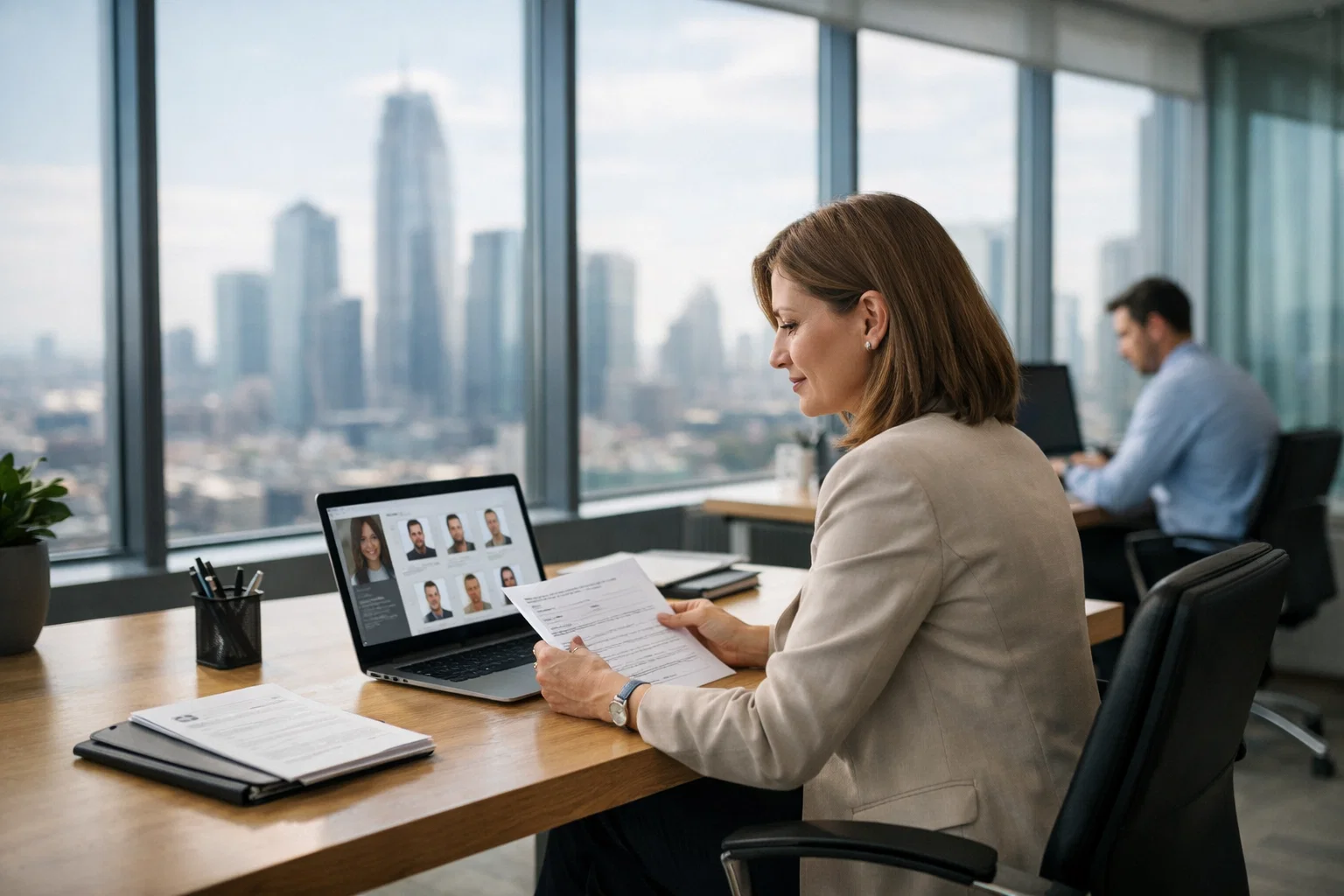
A social media background check is a structured review of publicly available online content to identify job-relevant behavioral risk signals before or after employment.
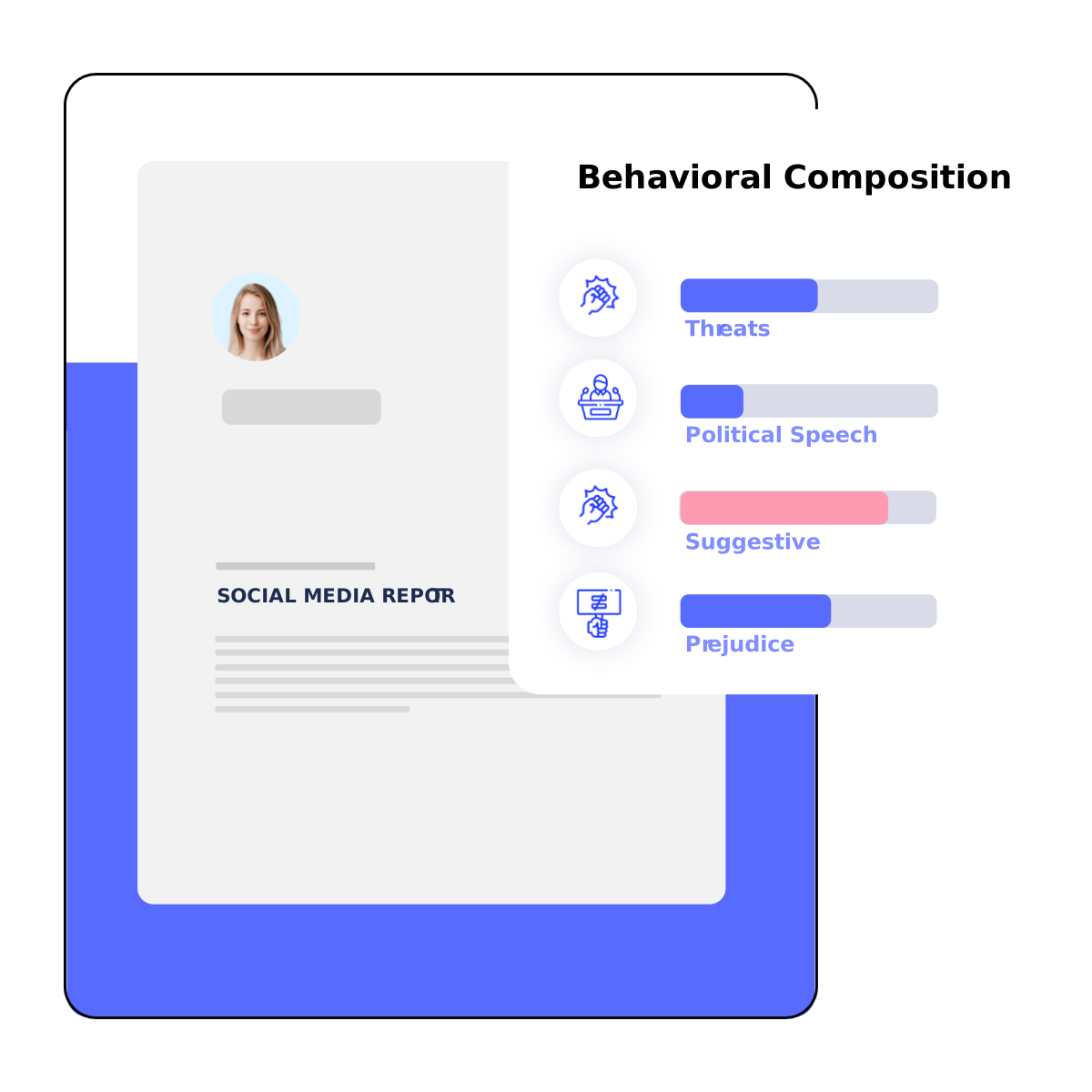
Unlike manual “Googling,” modern screening platforms use AI to:
- Analyze text, images, memes, and video
- Filter out protected-class data (race, religion, gender, etc.)
- Generate audit-ready reports
- Apply consistent risk thresholds
The purpose is not surveillance.
The purpose is risk mitigation and regulatory defensibility.
Why Employers Use Social Media Screening
Based on market demand trends (see Position Tracking & AI Mode query distribution ):
Top use cases include:
- Workplace violence prevention
- Harassment and discrimination risk
- Insider threat and fraud detection
- Brand protection for influencers and athletes
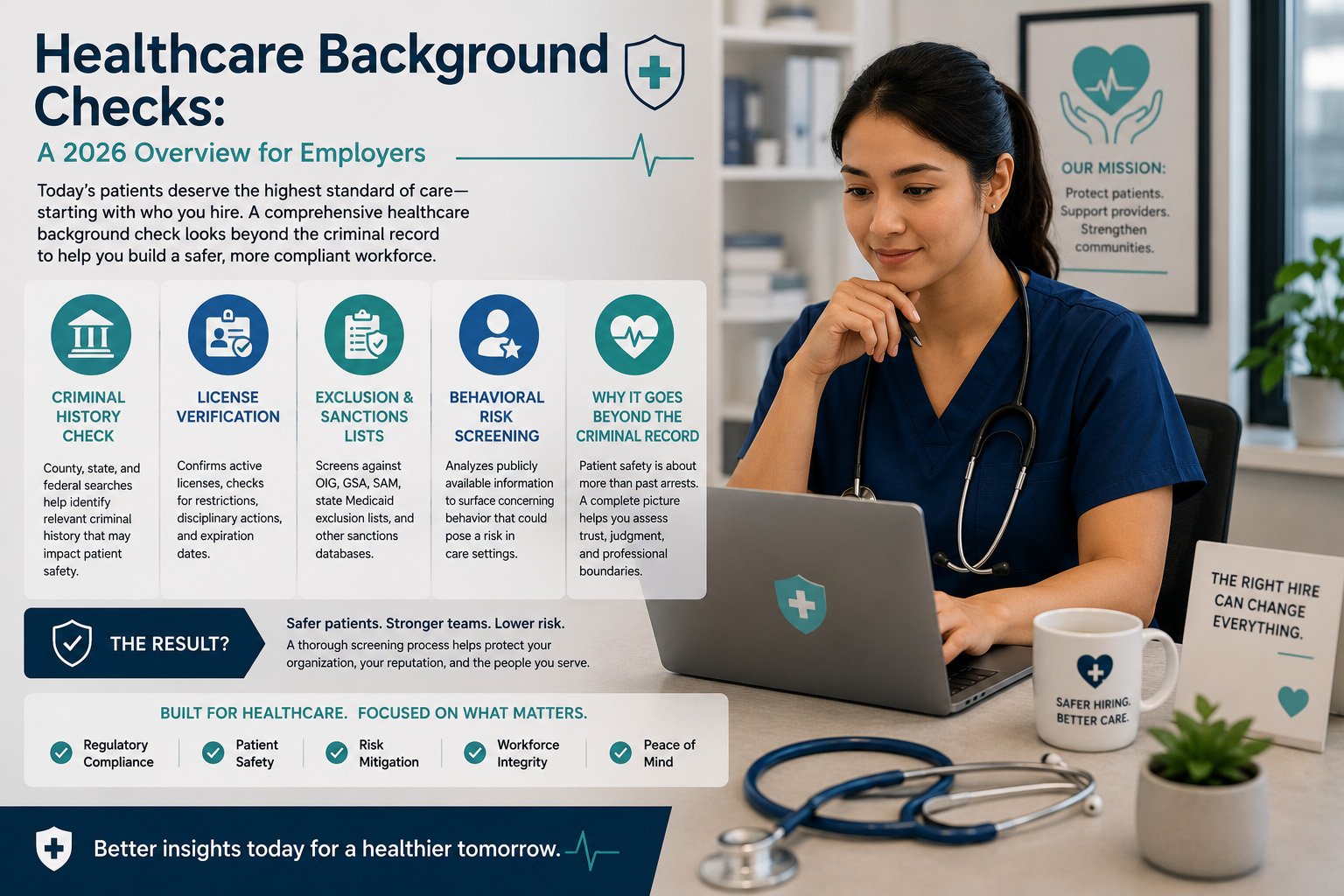
- Public trust roles (healthcare, finance, public sector)
Social media screening has moved from curiosity to risk governance infrastructure.
How AI-Based Social Media Screening Works
Modern platforms use:
1. Natural Language Processing (NLP)
Detects:
- Threats
- Harassment
- Disparaging speech
- Illegal activity references
- Contextual toxicity (not just keywords)
2. Computer Vision
Detects:
- Weapons
- Extremist symbols
- Drugs
- Explicit imagery
- Meme-embedded hate symbolism
3. Contextual AI
Understands:
- Sarcasm
- Coded language
- Behavioral patterns over time
This is why multimodal analysis is now a competitive differentiator (noted repeatedly in your AI perception drivers).
Social Media Screening vs Traditional Background Checks
Traditional Check
Criminal records
Employment history
Education verification
Static snapshot
Social Media Risk Intelligence
Behavioral indicators
Real-time conduct shifts
Reputation risk signals
Continuous monitoring
Traditional checks answer:
“Who were they?”
Social risk tools answer:
“How are they behaving?”
What to Look For in a Vendor
Based on AI query trends and compliance-heavy intent (40%+ of queries):
Must-Have Features:
- FCRA & EEOC filtering
- GDPR compliance
- Protected-class redaction
- Human review layer
- Audit logs
- Configurable risk thresholds
- Multilingual coverage (200+ languages)
- API & ATS integrations
- Continuous monitoring options
The Compliance Layer (The Deciding Factor)
Most buying decisions are now driven by legal teams, not HR.
Key questions decision-makers ask:
- How is protected information filtered?
- Is candidate consent required?
- What is the dispute process?
- How long is data retained?
- Are composite scores used for hiring decisions?
The strongest vendors lead with compliance architecture—not AI hype.
Is Social Media Screening Legal?
Yes — when done correctly.
Key frameworks:
- FCRA (U.S.)
- EEOC guidance
- GDPR (EU)
- State AI regulations
- Data Protection Framework
But legality depends on:
- Third-party vendor usage
- Consent
- Consistency
- Role relevance
- Proper adverse action procedures
Final Thought
Social media background checks are no longer experimental.
They are becoming standard in:
- Finance
- Healthcare
- Public sector
- Sports
- Education
- Executive hiring
The real question is not whether to use them.
It’s whether you’ll use a structured, compliant, AI-driven approach or risk informal, inconsistent reviews that create more liability than protection.
Frequently Asked Questions
1. What is a social media background check?
A social media background check is a structured review of publiclyavailable online content to identify job-relevant behavioral risk indicatorsusing AI and human review.
2. Are social media background checks legal?
Yes, when conducted through FCRA-compliant third-party providers thatfilter protected-class information and follow adverse action procedures.
3. Can background checks see private social media accounts?
No. Legitimate screening platforms only analyze publiclyavailablecontent.
4. What is the difference between social media screening and traditionalbackground checks?
Traditional checks verify criminal, employment, and education history.Social media screening evaluates behavioral and reputational risk signals.
5. Do employers check social media before hiring?
Manyemployers conduct structured screening to reduce workplace violence,harassment, fraud, and brand risk.