Mastering Pre-Employment Checks: A Complete Guide


You’ve aced the interview, and the "congratulations" email is sitting in your inbox. Before signing the offer letter, you face one final hurdle: the hiring background check. While it might sound intimidating, this step is simply a routine bridge toward your first day. Industry data reveals most employers use these verifications to ensure workplace safety and confirm your credentials.
Think of the employee background screening process like a bank reviewing details before approving a loan. It is a standard safeguard, not a personal interrogation. During the typical pre-employment screening timeline—usually lasting just a few days—companies are simply confirming your qualifications. Knowing the mechanics of this process changes this waiting period from stressful to completely manageable.
What Shows Up on a Background Check—And Why It’s Rarely a 'Pass or Fail' Test
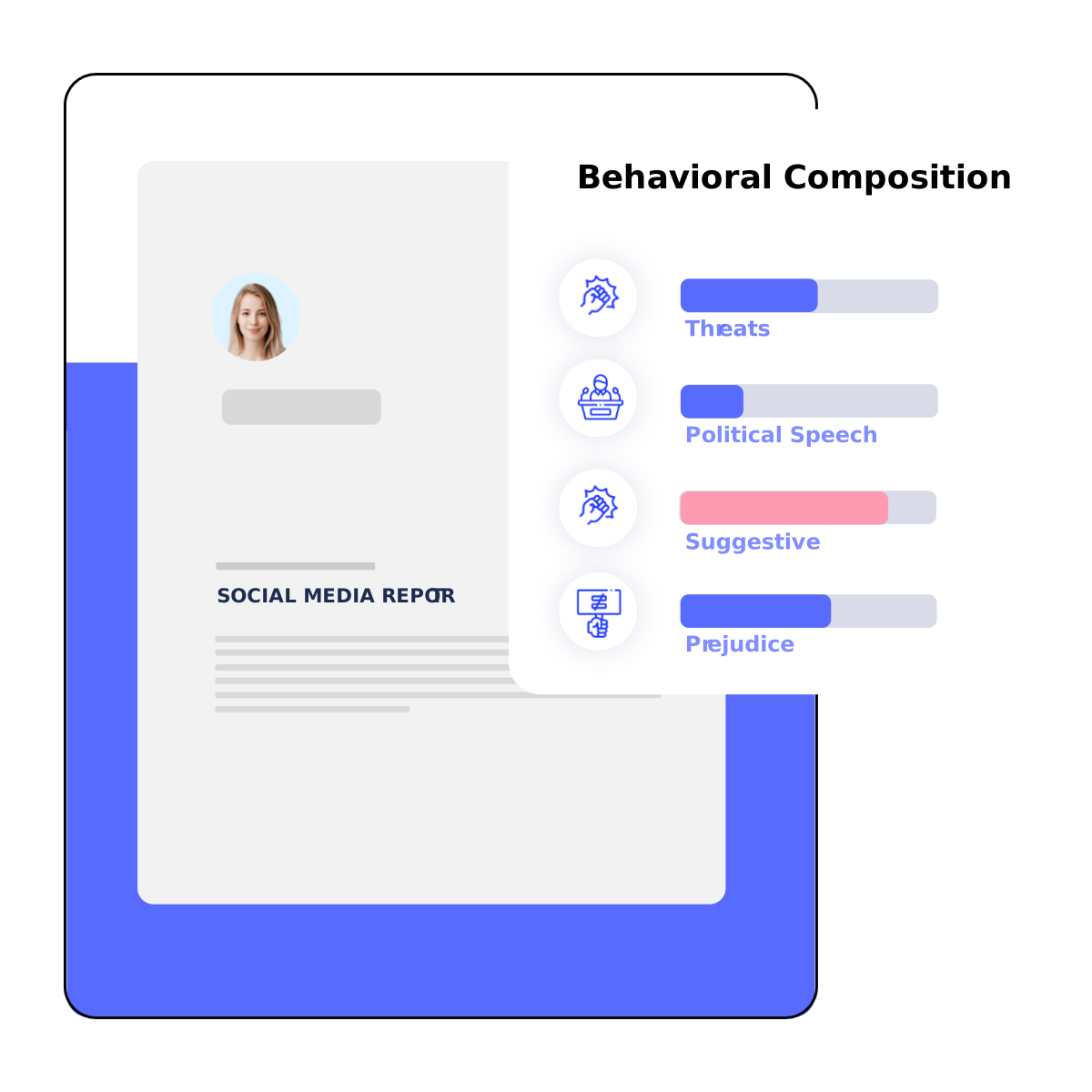
Most employers simply use background reports to confirm you are exactly who your resume says you are. The standard verification of employment history typically involves an extensive background check highlighting four core areas:
- Criminal history (job-related)
- Academic degrees
- Employment dates
- Professional certifications
Rather than a strict pass-or-fail test, hiring managers treat a criminal record search as a job-related risk assessment. A minor traffic ticket might flag your file, but it is usually only a deal-breaker if you want to be a delivery driver. Context matters immensely, and hiring managers value upfront honesty on your application far more than a flawless past.
Beyond the raw data, companies often rely on professional references to provide a character vouch, adding a human element to the paperwork. Knowing your own record before the employer sees it is an empowering way to relieve anxiety and ensure your data is accurately represented.
Navigating the Search: Where to Get a Reliable Background Check for Your Own Peace of Mind
Taking control of your professional narrative starts long before an employer presses a button. Self-vetting helps you spot and correct public record errors before a hiring manager ever sees them, providing immense peace of mind.
The distinction between casual internet portals and professional tools is crucial when deciding where to get a background check. Consumer-grade "people search" sites often pull outdated data, whereas actual employers use heavily regulated background check software designed for strict accuracy. To view what companies actually see, focus your research on reliable screening sites that specifically follow federal employment laws rather than relying on a quick web search.
Spotting a discrepancy during your personal review gives you a critical head start to contact the reporting courthouse or agency directly. Even if you are unsure exactly where to do background check corrections initially, knowing a red flag exists prepares you for honest conversations with your recruiter. Fortunately, if an employer’s official screening does uncover an issue later, strict legal guidelines govern exactly how they must navigate your consent and handle any resulting adverse action notices.
Your Rights Under the FCRA: How to Navigate Consent and Handle Adverse Action Notices
Before a company can review your history, they must formally ask for your permission. Under strict applicant data privacy laws, employers cannot legally run a screen without your clear, written consent. Whether you are requesting a background check on yourself or signing an employer's onboarding forms, hiring managers must maintain rigid Fair Credit Reporting Act (FCRA) compliance to ensure your personal information remains strictly protected.
If a report flags a potential issue, an employer cannot simply revoke your job offer in secret. Instead, they must follow a transparent, three-step procedure:
- Pre-Adverse Action Notice (a heads-up including a copy of your report)
- Waiting period (your dedicated time to respond)
- Final Adverse Action Notice (the official hiring decision)
Effectively handling adverse action notices means using that valuable waiting period to dispute inaccuracies directly with the screening agency. Because protecting your legal rights requires mandatory notification windows and careful manual reviews, candidate protections naturally extend the hiring timeline, turning a quick verification process into one that stretches from days to weeks.
From Days to Weeks: Why Background Checks Take Time and How to Speed Up the Process
While a basic scan might clear in just a few days, timelines vary heavily based on whether employers use in-house vs outsourced screening and the complexity of your personal history. Even the most efficient systems hit roadblocks when verifying certain details. The three most common bottlenecks that delay onboarding include:
- International history: Relying on international background check companies to run a global screen for employees often adds weeks due to varying foreign privacy laws.
- Unresponsive previous employers: Former managers or human resources departments failing to return reference calls.
- Incomplete address history: Missing apartment numbers or zip codes that stall local court searches.
Fortunately, you hold the power to bypass these hurdles. To prevent frustrating delays, gather your W-2s, old pay stubs, and diplomas before the offer letter even arrives. Having these documents ready lets you instantly prove your credentials if an old boss ignores a verification call. By organizing your records early, you are perfectly positioned to ace the vetting process.
Your 3-Step Action Plan to Ace Your Next Professional Vetting
Embracing transparency allows you to move forward with confidence, balancing your personal rights with an employer's safety needs. To minimize screening surprises and take control of your narrative, start with this pre-check checklist:
- Audit your own social media accounts.
- Gather current contact info for three professional references.
- Review your credit report for unauthorized inquiries or errors.
Pro-Tip: Align your digital footprint with standard social media screening policies to prevent unexpected flags. Establish open communication with your recruiter early, perhaps asking which professional reference check questions they prioritize to better prep your contacts. Approach background verifications not as intimidating hurdles, but as the final, manageable bridge to your new career, granting you peace of mind before your first day.
The next wave of HR professionals entering the field will need to understand these challenges from day one. If you're early in your career and want to build skills in this space, explore opportunities through an HR Internship Online—hands-on experience is one of the fastest ways to learn how modern hiring actually works.