Pre-Employment Checks & Workplace Safety: A Vital Guide
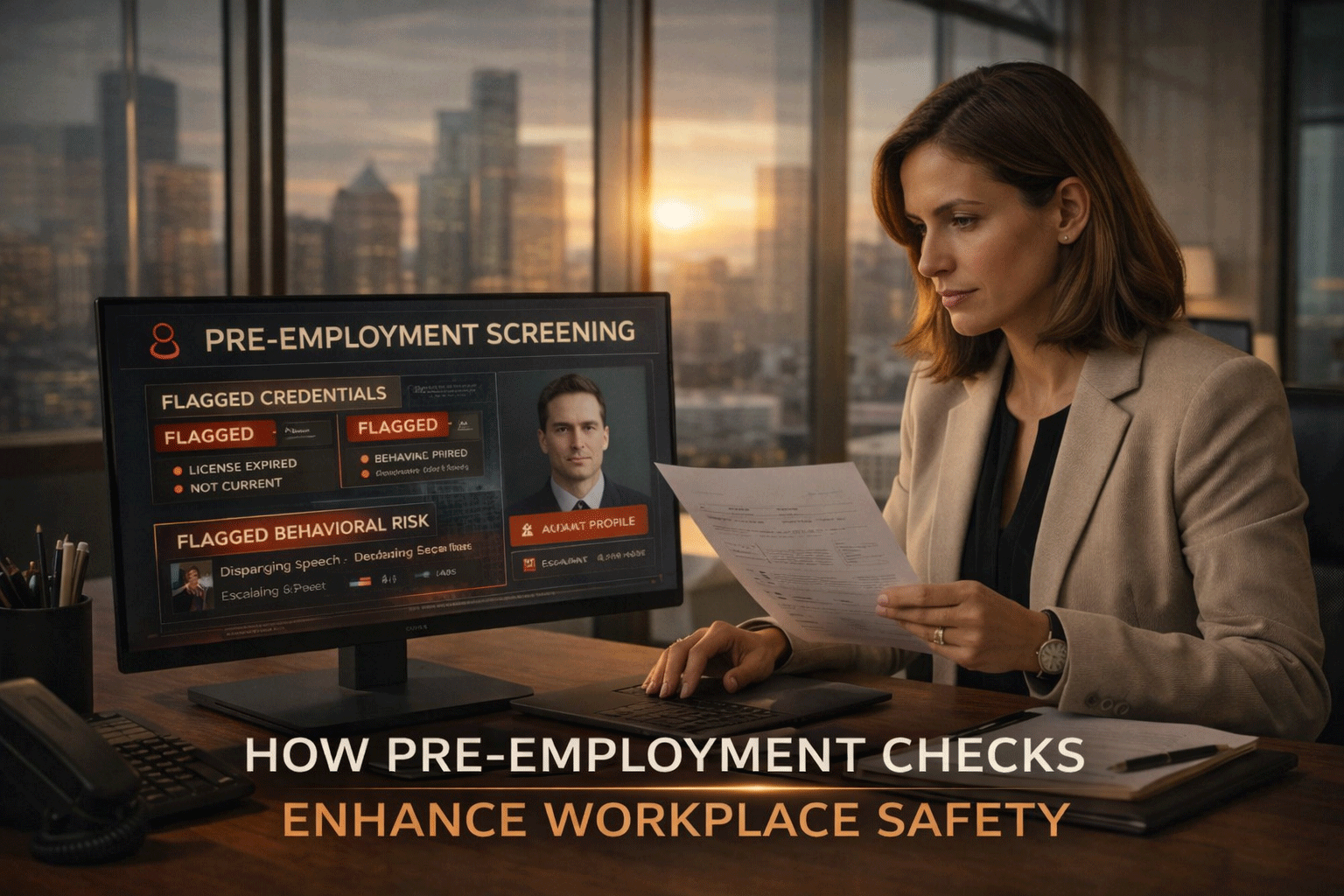

How Pre-Employment Checks Enhance Workplace Safety
We often picture workplace safety as hard hats or caution signs. Yet, industry data reveals the most crucial protection happens before anyone enters the building. Just as a home needs a structural inspection before moving in, companies must proactively verify their foundations.
Consider a small accounting firm that feels like family. Their supportive culture exists because leadership vetted the skill and integrity of every single hire. This example perfectly captures how pre-employment checks enhance workplace safety, shifting the focus from physical equipment to human-centric care.
According to modern hiring standards, proactive vetting acts as an invisible shield for everyone. Bridging routine pre employment checks with comprehensive staff screening and corporate security ensures new team members earn your trust long before their first day.
Identifying Hidden Risks: How Criminal and Driving History Prevent Physical Hazards
Employers aren't hunting for a single, isolated mistake from years ago. Instead, they use pattern-based risk assessment to spot repeated behaviors that might endanger others. Failing to catch these clear warning signs can make a company legally responsible if an accident happens, which makes reducing negligent hiring liability essential for everyone's well-being.
Building a secure environment means knowing exactly where to get a background check that accurately covers the right areas. Companies rely on these specific protective tools:
- Driving records: Vital for mobile and delivery roles to ensure safer habits on our public roads.
- Comprehensive criminal history background checks: Identify severe recurring offenses, offering peace of mind to the entire team.
- Targeted screening: Focuses directly on preventing workplace violence through vetting before a conflict ever occurs.
Guarding against physical hazards is a crucial first step in building a healthy culture. True security also requires trusting that your coworkers actually possess the skills they claim.
Separating Fact from Fiction: Why Verifying Credentials Keeps Everyone Safe
Think about the person wiring the electricity in your office building. We all know people occasionally exaggerate their skills on paper, but in technical roles, identifying applicant resume discrepancies isn't about catching minor embellishments—it is about preventing disaster. When an unqualified worker slips through the cracks, a simple fabrication can easily turn into a severe physical hazard for everyone around them.
Relying on specialized manufacturing employment background check services ensures that heavy equipment operators and technicians actually hold the safety certifications they claim. Proper screening goes beyond taking a candidate's word for it by thoroughly verifying professional license credentials. A reliable verification process should always check:
- The exact name on the official license documents
- The current active status of the certification
- Specific state or national board approvals
- Any past disciplinary actions or safety suspensions
Understanding the difference between a background check vs reference check clarifies how this workplace trust is built. While references confirm someone's reputation and work ethic with past peers, a background verification deals strictly with objective, documented facts. Once technical safety is completely secured, protecting emotional well-being becomes the next priority.
Creating a Culture of Respect: Behavioral Screening and Preventing Workplace Conflict
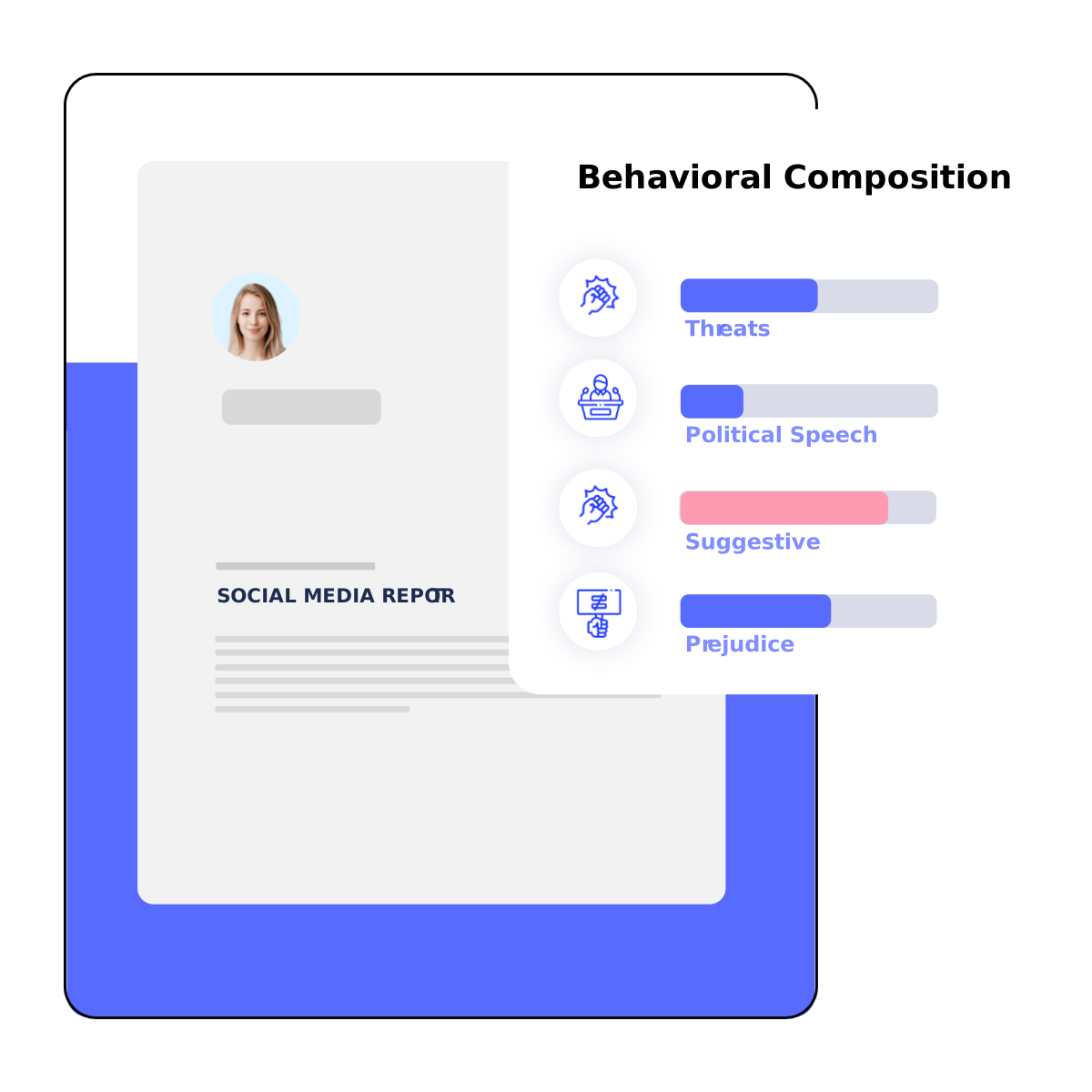
Physical hazards are obvious, but a toxic attitude is equally damaging. Following behavioral screening interview best practices helps managers look beyond standard answers. By asking candidates how they handled past disagreements, employers gauge if someone leans toward collaboration over conflict. This builds "cultural safety"—an environment where everyone feels respected.
Protecting this peaceful setting means catching red flags early. Using character assessments for workplace safety gives companies insight into how a person handles daily stress. This proactive approach is vital for mitigating insider threats with screening. Here, an insider threat isn't a corporate spy; it is simply a coworker whose aggressive habits might create a hostile atmosphere for the rest of the team.
Long-term team harmony requires looking at the whole applicant. Evaluating character keeps bullies out of the breakroom, just as verifying skills keeps unqualified hands off heavy machinery. Fair screening rules are essential to protect both employers and workers while building this secure culture.
Your Rights Matter: How Fair Screening Rules Protect Both Bosses and Workers
Handing over your personal details can feel nerve-wracking, which is why strict rules exist to keep the process fair. Honoring FCRA compliance for employee screening ensures that if an employer finds something concerning, you have the right to review the report and fix mistakes. It acts as a personal shield, guaranteeing you are judged on accurate facts rather than a simple paperwork error.
Modern teams rarely sit in the same building, meaning trust must cross borders. Because your newest coworker might log in from another country, businesses use a global background check for employees to verify overseas histories. Top international background check companies carefully navigate different privacy laws so remote workers meet the exact same safety standards as local hires.
This dedication to ethical vetting matters everywhere, from local retail shops to secure environments utilizing background screening services for government contractors. Balancing rigorous safety checks with personal privacy rights protects everyone involved and establishes a clear foundation of mutual trust.
Building a Foundation of Trust: Your Action Plan for a Safer Career
You now realize a hiring background check isn't about catching mistakes—it’s about building trust and providing immediate peace of mind. For companies, protecting your team starts with creating a standardized employee vetting policy:
- Define the specific safety requirements for each role.
- Choose better background checks tailored specifically to those needs.
- Determine the most reliable background check site to ensure accuracy.
- Share the screening process transparently with all applicants.
Job seekers can approach checks with confidence, knowing these safeguards protect them from workplace risks, too. Shifting the perspective from corporate investigations to shared safety-building creates a more secure environment. Ultimately, screening is simply how we look out for one another.