Spotlight Scandals: When Ad Talent's Social Media History Hurts Your Campaign


Is it truly fair if one careless post from your ad talent's past flips a campaign from viral sensation to headline scandal overnight? It's complicated.
How Can Advertising Agencies Suffer From a Creative's Social MediaHistory?
In today's advertising landscape, creative risk is celebrated—until it goes viral for the wrong reasons.
Agencies invest millions in celebrity partnerships, influencer collaborations, and ambitious advertising campaigns. But one resurfaced tweet, offhand comment, or poorly written script can send that investment spiraling.
News Headlines
• e.l.f. Cosmetics x MattRife – Beauty brand e.l.f. faced backlash after casting comedian MattRife—whose past jokes and dismissive comments toward women resurfaced—in a campaign targeting its largely female audience. The mismatch between Rife's public persona and the brand's values as an inclusive company sparked widespread criticism and influencer-led boycotts.
• Doritos x Samantha Hudson –Doritos Spain cut ties with Samantha Hudson, a Spanish influencer and singer, after resurfaced tweets from her teen years triggered backlash over disturbing and inappropriate content. The controversy, amplified by social media, led to widespread criticism and forced the brand to cut ties and issue a formal statement.
• 33 & West and KanyeWest – Kanye West was dropped by his talent agency, 33 & West, after a series of antisemitic and hateful social media posts reignited public outrage.The decision followed escalating controversies, including offensive merchandise and discriminatory behavior, showing that even high-profile figures face professional consequences.
Why does this matter?
For agencies, this is more than a PR issue. It's a reputational risk—the threat to a company's brand and stakeholder trust from negative perceptions—where clients pull contracts, partners pause projects, and reputational damage lingers long after the headlines fade.
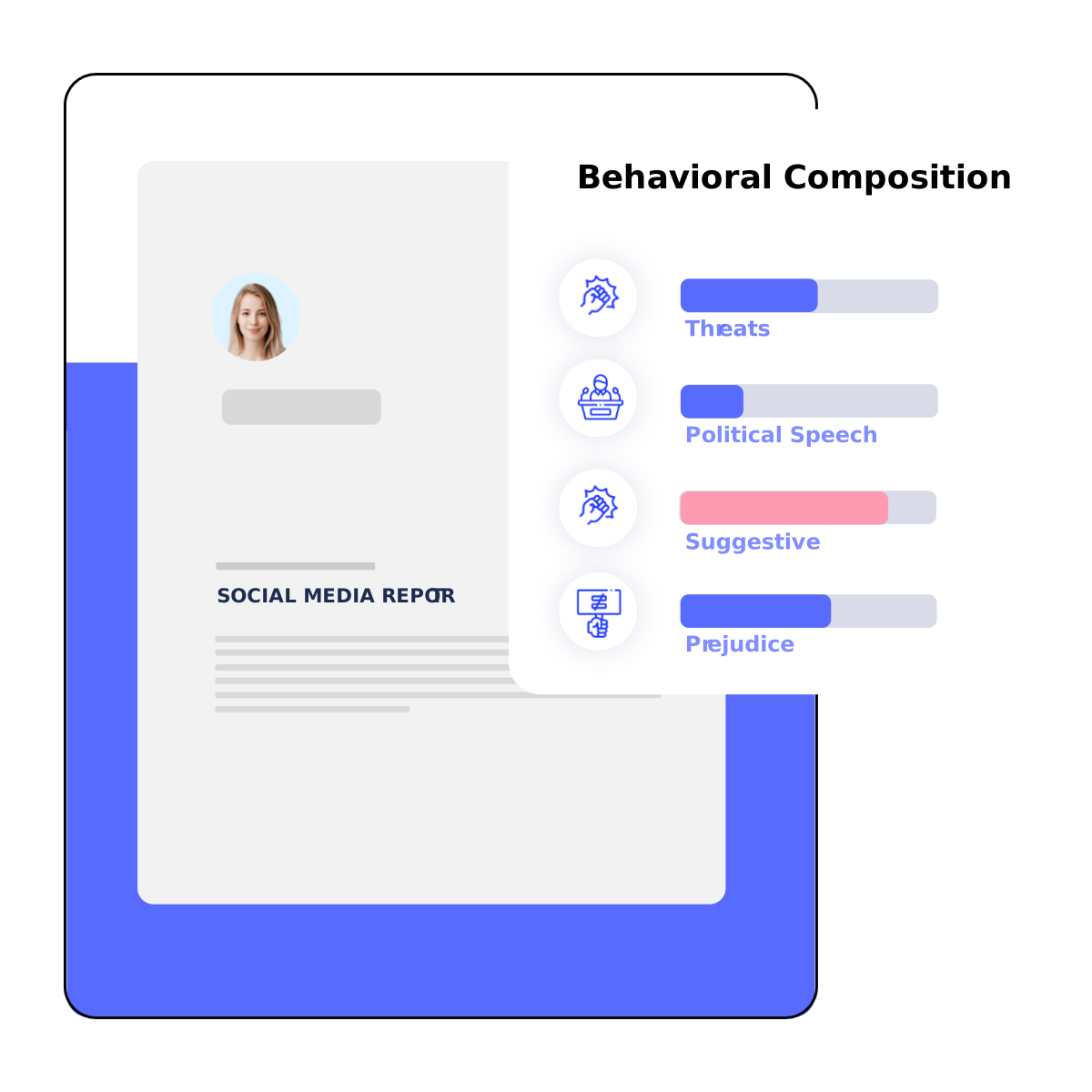
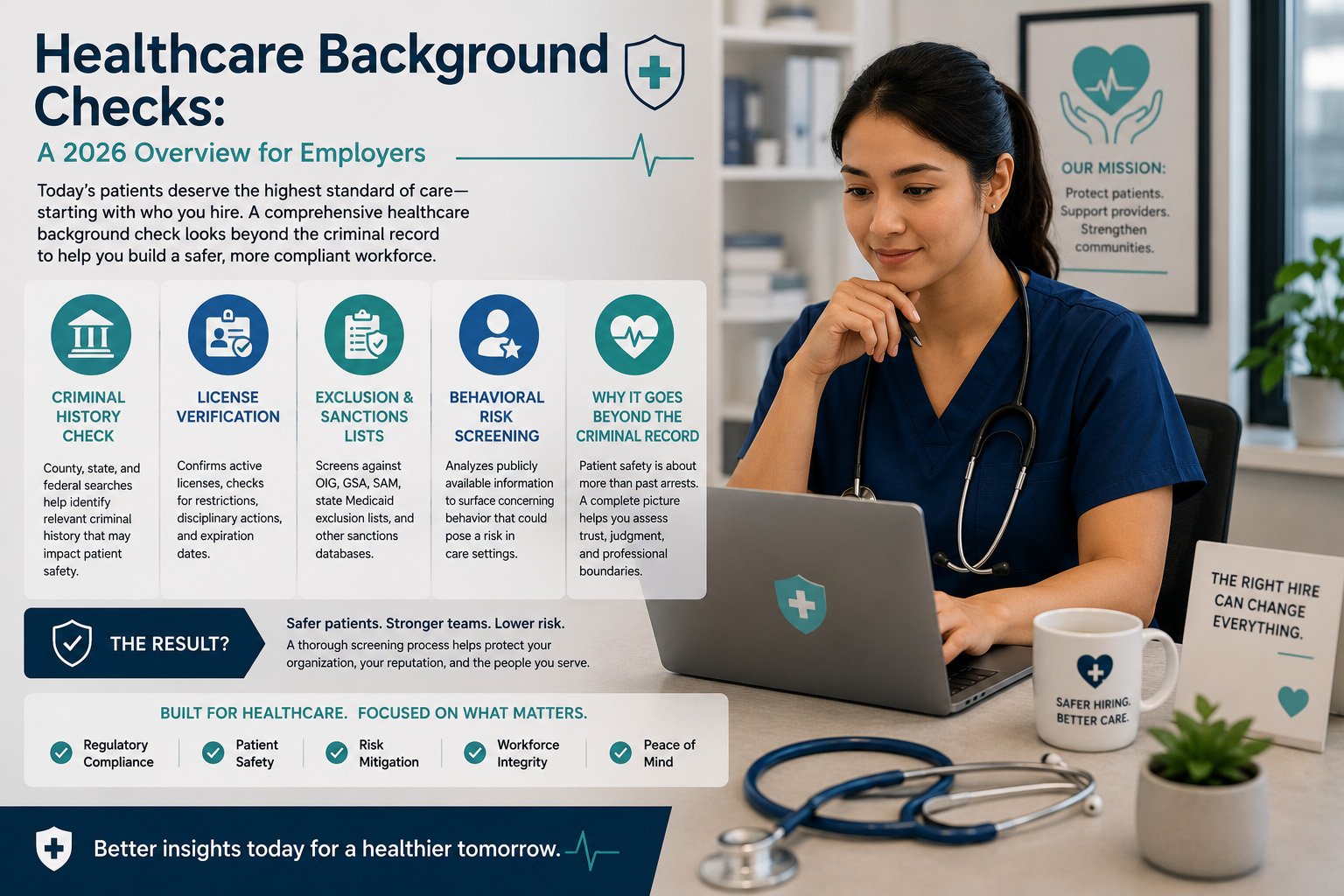
So how do agencies navigate a hiring process where every new talent can feel like a landmine? Tools like Ferretly's AI-supported screening help teams differentiate between real behavioral concerns and one-off youthful mistakes—and that difference matters now more than ever.
What's the Difference Between Real Risk and Old Online Mistakes?
Here's the tension every advertising agency feels: navigating the line between a genuine reputational danger and an immature remnant of past behavior.
Digital footprints are permanent, but people change. Younger generations especially know that early online posts often reflect immaturity or lack of awareness—not intentional, malicious harm. Yet in a world where things go viral faster than context can catchup, nuance often gets lost.
This is where pattern-based analysis matters more than event-based judgement. A single post isn't the full picture. It's a point within a greater trajectory, and that overarching pattern is what truly indicates reputational risk.
How Can Agencies Balance Compassion and Strategy When Screening SocialMedia Reputations?
In order for agencies to protect both their clients and their community, they need to blend compassion with intelligence.
Modern AI tools can now evaluate:
• What kind of behavior was flagged and how risky it might be
• Whether it's part of a pattern or just a one-time issue
• If the behavior is getting worse, improving, or has stopped
• Whether the concern actually matters for the person's role and the company's values
But these insights aren't supposed to stand alone—meaningful evaluations require human judgement, empathy, and compassion.
Where the Industry Goes From Here
In advertising, reputation is complex, dynamic, and sensitive. Each creative decision, celebrity partnership, and brand campaign feeds into a public trust loop that's increasingly transparent.
The future isn't about avoiding risk. It's about understanding it in full dimension.
When agencies move from guesswork to grounded insight, they don't just prevent crises—they build campaigns with authentic integrity that audiences can trust.
###
About This Article
This piece was developed as part of a University of Maryland writing practicum exploring AI ethics, responsible AI-assisted content creation, and advanced prompting techniques. The course was led by Adam Lloyd, Ph.D., with industry mentorship provided by Ferretly to ground coursework in real-world application and ethical AI use.
Student Author: Sophie Zhang
→szhang44@terpmail.umd.edu · LinkedIn
Course Faculty & Mentorship
Adam Lloyd, Ph.D. · Lecturer, University of Maryland
Adam teaches business and technical writing with a focus on real-world application—his courses partner with companies to create actual workplace deliverables. He co-created UMD's "Digital Rhetoric at the Dawn ofExtra-Human Discourse," exploring AI's role in academic, creative, and professional writing. A former journalist, startup founder, and award-honored educator, he holds advanced degrees in English, philosophy, and national security studies.
→lloyda@umd.edu · LinkedIn
Nicole Young · VP, Growth Marketing
Nicole provides industry mentorship for this course, bringing deep experience in growth marketing, advertising strategy, and AI-integrated content systems. Her work focuses on building ethical, scalable marketing programs at the intersection of technology, trust, and brand performance. She welcomes collaboration with academic programs seeking practitioner partnerships.
→nicole@ferretly.com · LinkedIn