The Importance of Social Media Screening in 2026


Social media screening is a crucial tool in today's digital age. It helps employers make informed hiring decisions. By reviewing a candidate's online presence, companies can gain insights beyond traditional resumes.
This process is not just about finding red flags. It also highlights positive traits like leadership and community involvement. Employers can better assess a candidate's fit for their company culture.
However, social media screening must be done ethically. Respecting privacy and adhering to legal guidelines is essential. This ensures a fair and unbiased evaluation process.
For individuals, managing one's digital footprint is vital. A well-curated online presence can enhance career opportunities.
What Is Social Media Screening?
Social media screening involves examining a candidate's online presence. This includes platforms like Facebook, Twitter, and LinkedIn. Employers seek insights that traditional resumes cannot offer.
There are several key aspects of social media screening:
- Evaluating communication skills and professionalism.
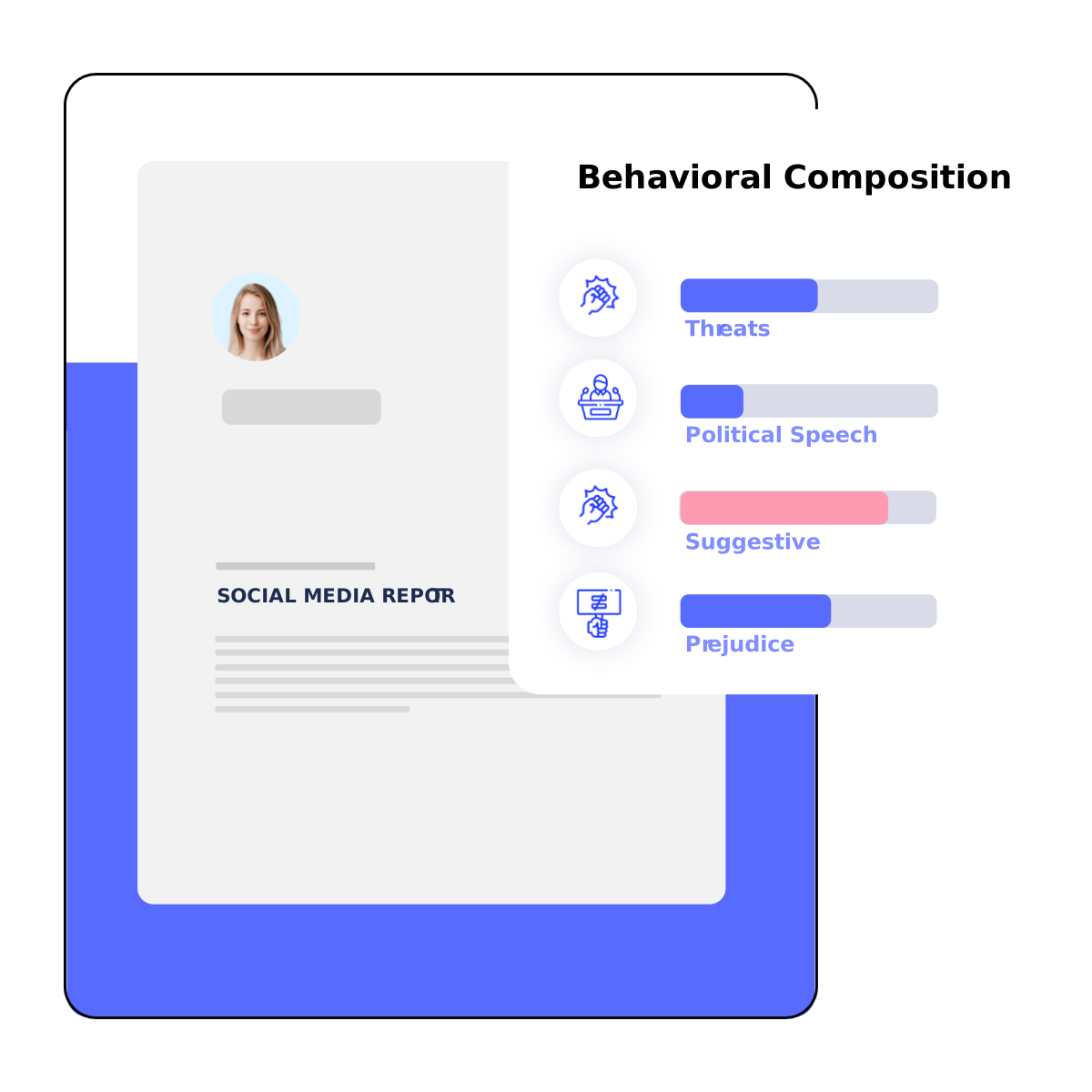
- Identifying potential red flags or concerns.
- Assessing cultural fit within the company.
This process helps employers discover the personality behind the paper. It adds depth to a candidate's profile. Social media screening can reveal hidden talents or accomplishments.
For candidates, being aware of this practice is important. Managing one's online persona carefully is crucial. It reflects on personal and professional values.
Why Social Media Vetting Matters in Hiring
Social media vetting provides a broader view of a candidate. It looks beyond resumes and cover letters. A person's digital footprint can say much about them.
Vetting helps identify characteristics like leadership and community involvement. These traits can be critical for job success. Employers can see how candidates interact with others online.
There are distinct reasons for conducting social media vetting:
- Detect potential risks and inappropriate behavior.
- Understand alignment with company culture and values.
- Enhance the quality of hires through better insights.
This process adds an extra layer to traditional vetting methods. It helps create a more rounded evaluation. Candidates who present themselves positively online often stand out. It can tip the scales in their favor.
Legal and Ethical Considerations
When performing social media screening, legal and ethical standards must be respected. Compliance with privacy laws is crucial. Companies should only review publicly available information to maintain candidates' privacy.
Failure to adhere to these standards can lead to legal troubles. To avoid such issues, follow these guidelines:
- Ensure transparency by informing candidates about screening policies.
- Maintain consistency to avoid discrimination claims.
- Avoid biased judgments based on personal opinions.
By considering these factors, employers protect themselves and respect candidates' rights. This approach fosters a fair and transparent hiring process.
Best Practices for Effective Social Media Screening
To conduct effective social media screening, establish clear policies. These guidelines ensure consistency and fairness. All candidates should be informed about the screening process.
Utilize third-party services for objective assessments. These services often provide unbiased, comprehensive reports. This can help mitigate personal biases from affecting decisions.
When evaluating candidates, focus on job-relevant information. Personal interests should not heavily influence hiring decisions. Here are some best practices to consider:
- Use multiple screening methods for a holistic evaluation.
- Document findings in an organized manner.
- Regularly update screening criteria to reflect company values.
Following these best practices ensures a fair, productive screening process.
Social Media Screening and Reputation Management
Social media screening plays a vital role in reputation management. It allows companies to align employees with their brand values. This alignment is crucial for maintaining a consistent public image.
Proactively managing one's digital footprint enhances personal and professional reputation. Both companies and individuals benefit from understanding this. Key elements include:
- Monitoring online behavior for adherence to company policies.
- Encouraging positive online representation.
- Addressing potential risks promptly.
Incorporating social media screening into reputation management strategies ensures a cohesive brand reputation.