The 4 Pillars of a Standard Background Check


You’ve aced the interview and the offer letter sits proudly in your inbox. Suddenly, an email requesting you begin the employee background screening process arrives, making your stomach drop. Most candidates hold their breath here, assuming companies are hunting for reasons to rescind offers.
Industry data reveals that pre-employment checks are actually a routine safety dance, not a hostile interrogation. Companies initiate them for three main reasons: ensuring workplace safety, maintaining compliance, and validating your professional claims.
Fortunately, a standard hiring background check won't leave you in limbo forever. According to HR experts, this verification phase typically takes between 72 hours and one week to complete.
What Are They Actually Looking For? The 4 Pillars of a Standard Background Check
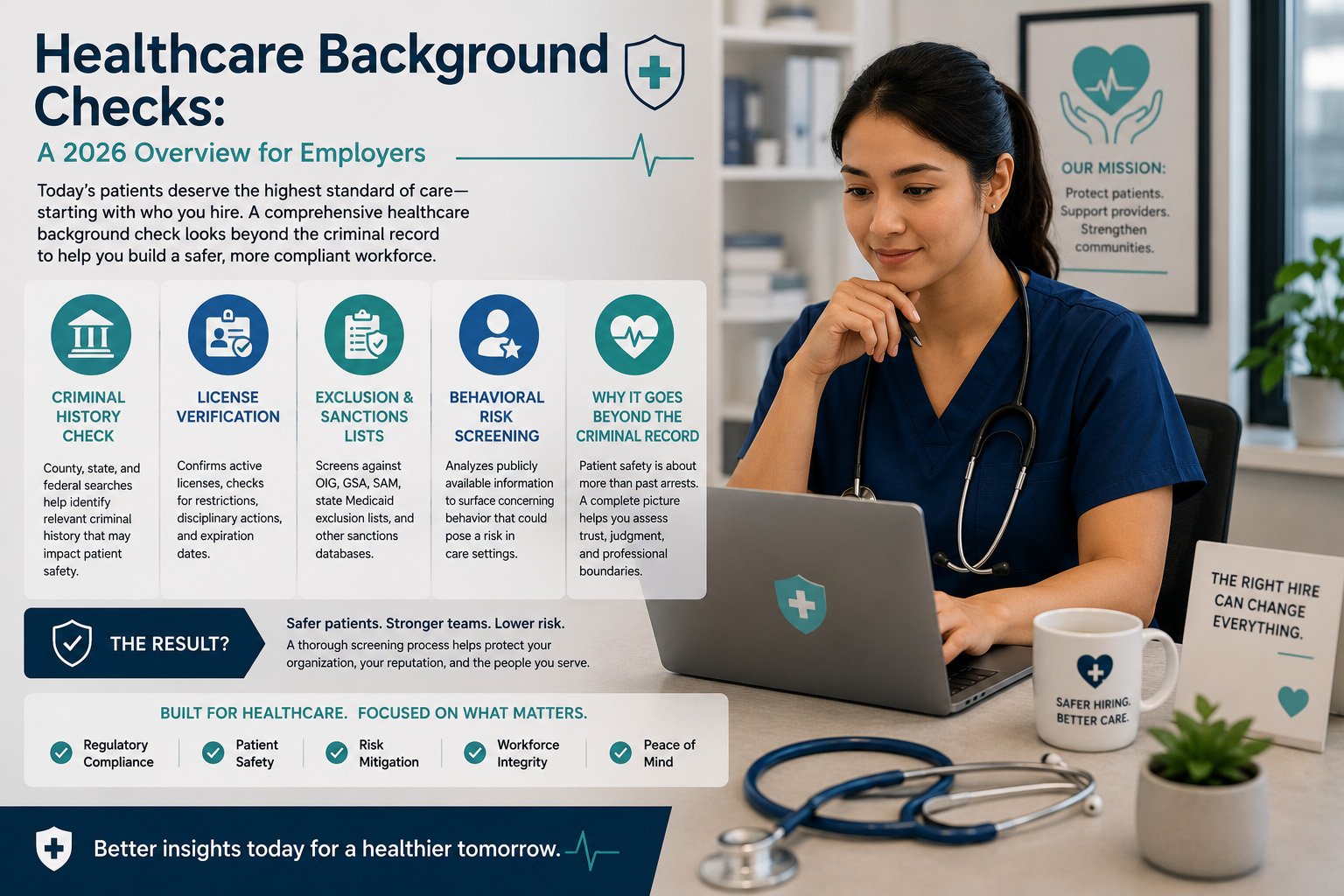
You’ve handed over your polished resume, but you might wonder exactly what a company checks in background verification. Rather than a vague hunt for red flags, employers typically focus on four specific pillars: criminal records, employment history, education verification, and professional licenses.
Depending on the job's responsibilities, companies use different"vetting tiers"—ranging from basic identity checks to deep-dive financial reviews. The most common baseline is a criminal record history search. Here, employers generally look for "unspent" convictions, which are recent or serious offenses, while minor "spent" incidents often drop off your record automatically over time.
When verifying education and employment history, hiring managers aren't judging your character; they are just confirming specific facts. They check whether your job titles, employment dates, and degree names match your application exactly. Modern background screeners frequently use automated, database-driven checks to instantly pull university records rather than relying on slower, manual calling methods where they have to track down your formerboss.
Finally, roles like teaching or accounting require strict professional license verification to ensure your credentials are legally valid. This step isa non-negotiable safety measure for specialized jobs. Knowing these pillars helps you prepare, but it is often easier if you review your own files first.
Where and How to Get Your OwnBackground Check
Taking control of your professional narrative starts by seeing exactly what employers see. If you are wondering how to get a background check for a job yourself, the process is straightforward. A personal run-through catches easily correctable mistakes, like a university misreporting your graduation year. When deciding where to get a background check, skip the sketchy"instant search" ads and use accredited agencies that mirror what official HR teams use.
Finding the most reliable background check site depends on your region, though trusted platforms like Checkr or Sterling offer great consumer portals.You can also exercise your data privacy rights directly. Figuring out how to request a background check or specific file often involves submitting a"Subject Access Request" (SAR) to former employers or local authorities, legally requiring them to share your data.
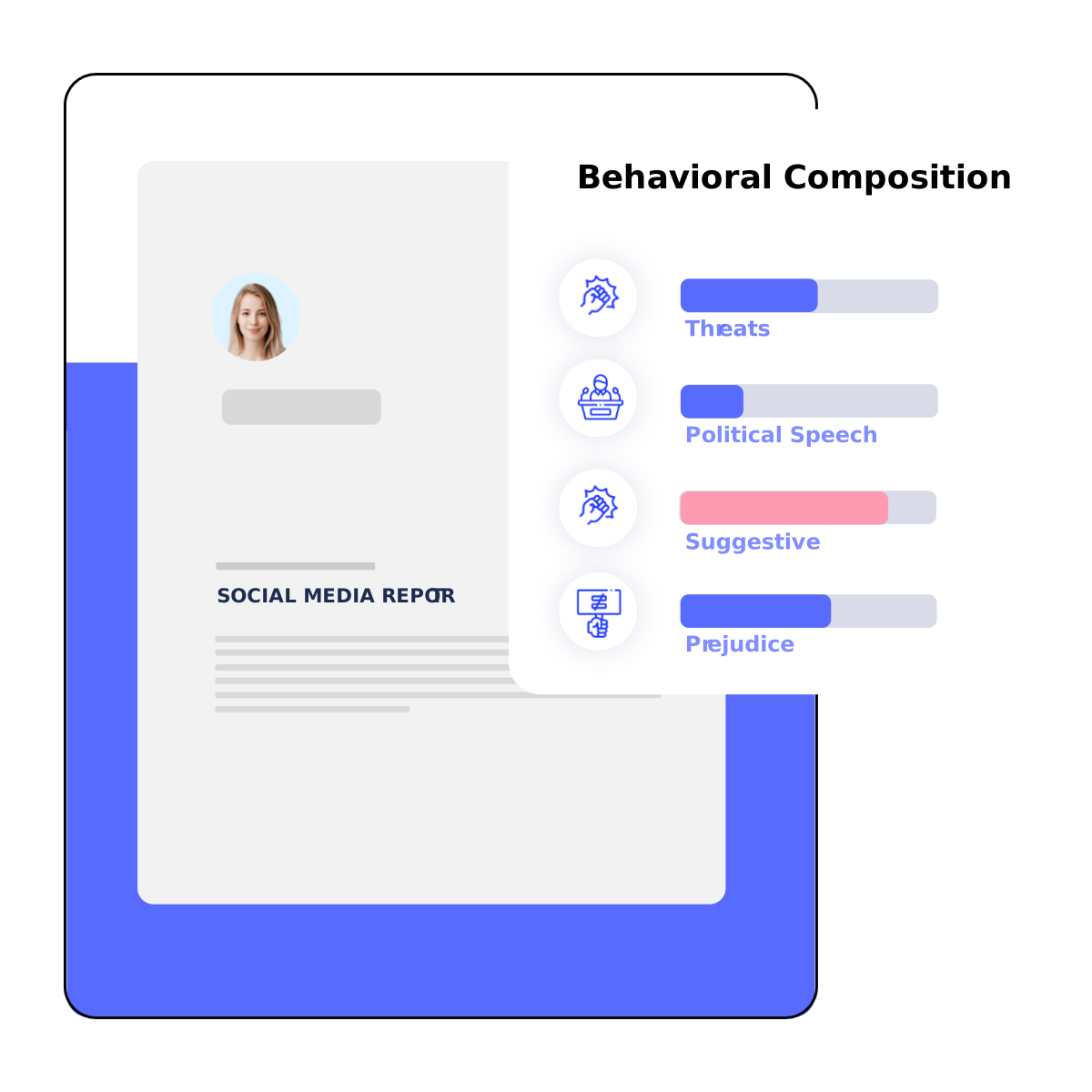
Your digital footprint also needs a careful self-audit. Reviewing your public social media profiles helps remove casual posts that might look like professional red flags. Once your official records and online presence align, you can confidently proceed. But what happens if a company finds a mistake you missed? Disputing those errors means navigating your legal protections under the Fair Credit Reporting Act (FCRA).
Navigating the Legal Maze: Your RightsUnder the FCRA
Before anyone peeks at your history, you hold the keys. Fair CreditReporting Act compliance dictates that a company cannot run a check—whether itis a routine right-to-work verification or a deep financial background check for employment—without your explicit written permission. This legal requirementfor "Candidate Consent" ensures your personal data remains strictly under your control until you are ready to share it.
If an employer finds a red flag that might cost you the job, they cannot simply ghost you. They must follow strict adverse action notice requirements, which act as a legal pause button to ensure fairness. This protective process unfolds in three specific steps:
- Pre-Adverse Notice: You are given a copy of the background report and a summary of your rights.
- The Waiting Period: You receive a short window (typically five days) to dispute any errors or supply context.
- Final Notice: The employer makes their ultimate hiring decision only after this window closes.
- Final Notice: The employer makes their ultimate hiring decision only after this window closes.
Knowing you have the right to fight a clerical error provides ultimate peace of mind. However, not every roadblock requires a legal dispute.Sometimes, the problem is much simpler—like an unreachable former manager or a dissolved company.
The 'Missing Boss' and Other Hiccups:Solving Common Screening Delays
Panic often sets in when a former company goes out of business or your old supervisor retires. You might wonder how long background screening takes when investigators hit these dead ends. Instead of worrying that a resume gap is an automatic dealbreaker, remember that employers are simply reducing bad hire risk, not expecting a flawless timeline. Honest explanations for breaks unemployment are always the best policy.
Modern vetting frequently extends beyond traditional phone calls.Companies routinely utilize background check software to verify professional timelines or run a financial integrity assessment for money-handling roles.While your professional presence on sites like LinkedIn should perfectly match your resume, keep your personal social media accounts private to separate your weekend life from your work history.
Preparing a "Verification Folder" with Plan B documentation minimizes hiring delays if a past employer is unreachable. Have these backup documents ready:
- Tax forms (P60s/W2s) proving past employment
- Old pay stubs indicating specific dates
- Original degree certificates or transcripts
With these records organized, you are perfectly positioned to execute a stress-free vetting process.
Your 3-Step Action Plan for aStress-Free Vetting Process
Instead of fearing a comprehensive background check, you can now take control. Whether an employer uses standard vetting or strict background screening services for government contractors, the goal isn't an interrogation—it’s verifying excellence. To ensure a faster onboarding process, master these final three steps:
- Audit your resume dates to ensure perfect accuracy against your records
- Gather your IDs and certificates in a readily accessible digital folder.
- Notify your references using professional reference check best practices.
By completing this proactive routine, you instantly transition from an anxious candidate into a verified professional, ready to step into your new role with confidence and peace of mind.