Employee Risk Management: What It Is and Why It Matters


Employee risk management is the systematic process of identifying, assessing, and mitigating risks related to employee behavior and actions. This practice protects organizations from financial losses, reputational damage, and compliance violations.
Modern workplaces face unique challenges. Remote work and digital transformation create new vulnerabilities. Organizations must adapt their risk management strategies to address these evolving threats.
Effective employee risk management prevents incidents before they occur. It enhances employee engagement and builds trust. Technology, particularly AI, provides real-time insights that improve decision-making and streamline risk management efforts.
This matters for HR professionals, compliance officers, and security personnel. Employee risk management is not optional—it's essential for organizational success.
Understanding Employee Risk Management in Modern Organizations
Employee risk management protects organizations from threats arising from employee actions. These threats include fraud, data breaches, workplace violence, and policy violations.
Digital transformation introduces constant new risks. Organizations must understand employee behavior patterns to reduce potential impacts on business continuity.
Effective employee risk management includes three core elements:
Risk identification: Detecting potential threats early through screening and monitoring.
Risk assessment: Evaluating the severity and likelihood of identified risks.
Risk mitigation: Implementing controls and interventions to minimize risk impact.
Risks evolve rapidly in dynamic workplaces. Regular updates to risk management strategies are essential. Organizations must maintain both proactive detection and adaptive responses.
Integrating risk management into daily operations improves organizational resilience. This supports long-term competitive advantage.
Key Components of Employee Risk Management
A comprehensive employee risk management framework addresses potential threats across the employee lifecycle. This framework requires multiple integrated components.
Employee risk assessment forms the foundation. This involves reviewing historical incidents, analyzing current vulnerabilities, and evaluating potential future risks. Regular assessments ensure continuous improvement.
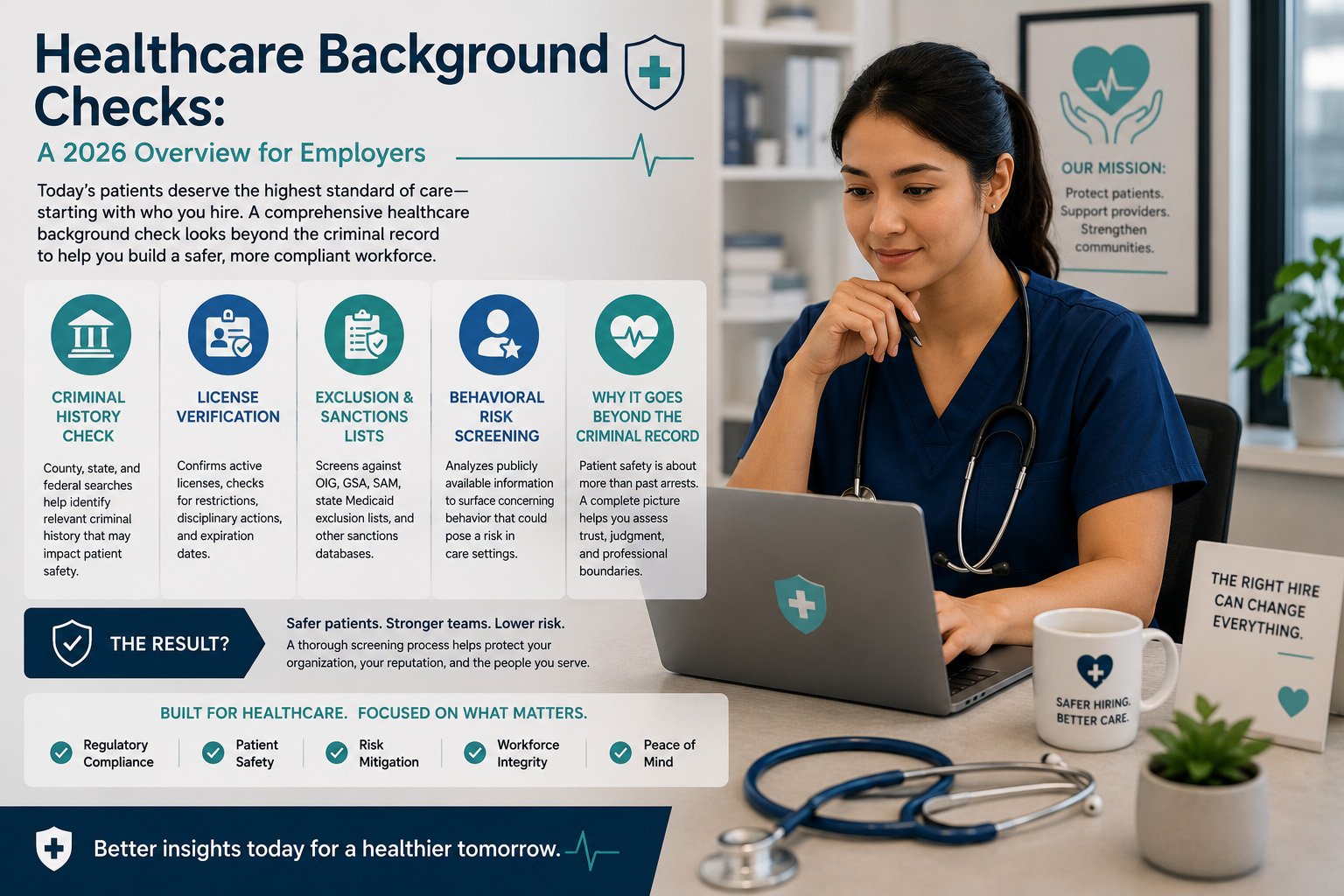
Compliant employee screening identifies risks before employment begins. This process verifies credentials, checks backgrounds, and assesses job-relevant suitability.
Ongoing employee monitoring detects emerging threats in real time. This includes behavioral analysis, performance tracking, and compliance verification.
AI-powered risk analysis enhances assessment accuracy. AI tools identify patterns in employee behavior that human analysis might miss. These insights inform more effective mitigation strategies.
Risk-aware culture engages every team member in risk management. Open communication about risks and compliance creates organizational accountability.
The Role of Compliant Employee Screening
Compliant employee screening prevents risk factors from entering the workplace. This first line of defense ensures only qualified and trustworthy candidates join an organization.
Screening identifies red flags in candidate histories. Background checks uncover inconsistencies, verify credentials, and reveal past behavior patterns. These checks maintain workplace safety and compliance.
A well-structured screening process meets legal requirements. It aligns with industry standards and regulations. This protects organizations from liability and discrimination claims.
Compliant screening includes three essential components:
Background verification: Confirms credentials, employment history, and educational qualifications are genuine.
Reference checks: Provides insights into past behavior, performance, and reliability.
Skills assessment: Ensures candidate abilities match job requirements and organizational needs.
Properly implemented screening establishes trust. Employees value working in organizations that prioritize integrity and safety.
Ongoing Employee Monitoring and Behavior Risk
Continuous monitoring detects behavioral risks before they escalate. This proactive approach prevents incidents and maintains workplace safety.
Effective monitoring observes both performance and behavior. This includes how employees interact, respond to pressure, and handle sensitive information. Patterns in this data reveal areas requiring intervention.
Effective monitoring focuses on job-relevant behavior and policy adherence—not personal beliefs or private activity.
Modern monitoring strategies use technology to identify unusual patterns. Automated alerts notify managers of concerning behaviors. Early detection enables quick intervention and risk mitigation.
Comprehensive monitoring includes:
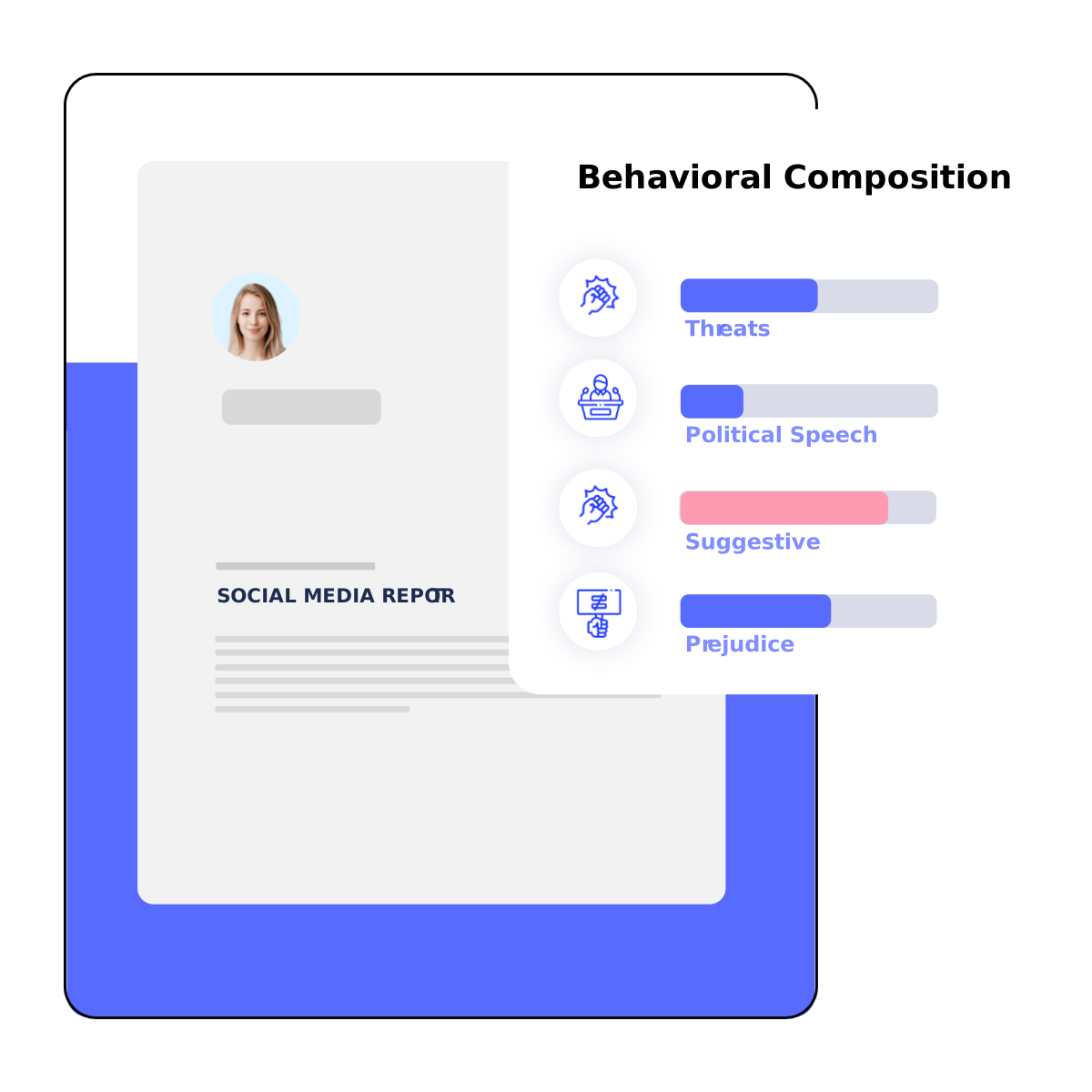
Behavioral analysis: Tracking employee interactions, communication patterns, and reactions to workplace situations.
Performance tracking: Measuring output quality, productivity trends, and work consistency.
Compliance checks: Verifying adherence to policies, security protocols, and regulatory requirements.
This creates a culture of accountability and transparency. Organizations that monitor effectively foster engaged, disciplined workforces and strengthen overall security.
Conducting Effective Employee Risk Assessments
Employee risk assessment is the systematic evaluation of threats posed by current and prospective employees. This process identifies vulnerabilities and informs mitigation strategies.
Risk assessment is continuous, not one-time. Organizations must regularly update assessments to reflect new roles, technologies, and external threats.
A robust assessment process follows three steps:
Define organizational risks: Identify what constitutes a risk based on industry, regulatory environment, and business operations.
Gather and analyze data: Collect information from screenings, performance reviews, incident reports, and behavioral monitoring.
Evaluate and prioritize: Measure potential impact and likelihood of each identified risk.
Key assessment elements include:
Risk identification: Understanding threats based on employee roles, access levels, and responsibilities.
Impact evaluation: Measuring how risks could affect operations, finances, and reputation.
Mitigation planning: Creating specific strategies to address and reduce identified risks.
Involving employees in assessments fosters transparency. Regular feedback and communication ensure the process remains effective and builds a safer work environment.
Leveraging AI in Employee Risk Management
AI transforms employee risk management by processing large data volumes with speed and precision. This reveals risks that human analysis might overlook.
AI enhances risk assessment accuracy by identifying hidden patterns. These patterns include unusual access to sensitive information, anomalous communication behaviors, and deviations from normal work patterns.
For example, AI may flag repeated access to sensitive systems outside normal working hours, prompting a human review before an incident occurs.
Predictive analytics forecast potential threats. AI algorithms learn from historical incidents to identify future risk indicators. This enables proactive intervention before incidents occur.
AI provides three key advantages:
Improved efficiency: Automation processes data faster than manual review, reducing assessment time.
Enhanced accuracy: AI minimizes human error and bias in risk evaluation.
Predictive insights: Data analysis anticipates future risks based on historical patterns and behavioral trends.
Organizations using AI gain competitive advantages in risk management. AI enables adaptive, resilient responses to evolving workplace challenges.
Technology Solutions for Workplace Risk Management
Modern workplace risk management requires sophisticated technology solutions. These tools address both physical security and digital threats.
Digital platforms provide real-time monitoring and instant alerts. This shortens incident response times. Compliance management systems ensure consistent policy enforcement. Automation reduces human error in routine risk management tasks.
Essential technology solutions include:
Compliance management systems: Track policy adherence and regulatory requirements across the organization.
Real-time monitoring tools: Provide instant alerts for security breaches, policy violations, and unusual behaviors.
Automated reporting software: Streamlines incident documentation, data analysis, and compliance reporting.
Integrating these solutions improves operational efficiency. Technology safeguards assets while supporting proactive risk mitigation approaches.
Building a Culture of Compliance and Accountability
A compliance culture reduces employee risk by establishing clear expectations and shared responsibility. This requires commitment from leadership through frontline employees.
Clear communication of policies and procedures sets behavioral standards. Leaders must model compliant behavior to inspire their teams. Transparency builds trust and encourages cooperation.
Building compliance culture requires:
Regular training: Keeping employees informed about compliance requirements, policy updates, and emerging risks.
Feedback mechanisms: Encouraging open dialogue about potential risks, concerns, and improvement suggestions.
Leadership support: Ensuring leaders actively promote and demonstrate compliance practices.
This culture involves continuous learning. It enhances individual responsibility and collective resilience. Organizations benefit from improved performance and reduced risk exposure.
Best Practices for Implementing Employee Risk Management
Effective implementation requires proactive strategies tailored to organizational needs. Comprehensive planning ensures successful execution.
Essential best practices include:
Conduct regular risk assessments: Identify and address evolving threats through scheduled evaluations.
Utilize technology: Employ AI and automation tools to enhance risk detection and response.
Foster cross-department collaboration: Engage HR, compliance, legal, and security teams in integrated risk management.
Ongoing employee education maintains awareness. Regular training updates ensure employees understand emerging risks and their responsibilities.
Consistent policy enforcement matters. All employees, from leadership to entry-level, must understand and follow risk management protocols. This creates organizational cohesion.
Maintain flexibility in risk strategies. Adaptive approaches accommodate changing business environments. Agile organizations handle new risks more effectively.
The Business Impact: Why Employee Risk Management Matters
Employee risk management directly affects business performance. Effective strategies prevent financial setbacks and protect organizational reputation. Neglecting risk management exposes organizations to avoidable harm.
Key business impacts include:
Reduced liability: Lower risk of lawsuits, regulatory penalties, and insurance claims.
Enhanced security: Protection of sensitive data, intellectual property, and proprietary information.
Improved workplace culture: Creation of safer, more trusting work environments that boost morale and retention.
Organizations with mature risk management programs reduce incident costs, shorten response times, and maintain operational continuity during disruptions.
Proactive risk management creates cost efficiencies. Addressing threats early reduces expensive incidents and operational downtime.
Conclusion: The Future of Employee Risk Management
Employee risk management is evolving rapidly. AI, advanced analytics, and continuous monitoring technologies are transforming how organizations manage risk.
Future strategies will emphasize real-time insights and predictive analytics. These approaches enhance decision-making and enable faster responses to emerging threats.
Compliance and accountability will remain central. Organizations must invest in innovation while fostering proactive risk cultures. These efforts build resilience and agility.
As business environments change, risk management approaches must evolve. Organizations that embrace technological advancement and cultural commitment will achieve sustained success and stability.
Micro-FAQ
Is employee risk management the same as employee monitoring? No. Employee risk management is a broader framework that includes screening, assessment, and mitigation. Monitoring is only one component.
Is employee risk management legally compliant? Yes, when screening criteria are job-relevant, candidates are notified, and programs comply with FCRA, EEOC, and applicable data protection laws.